

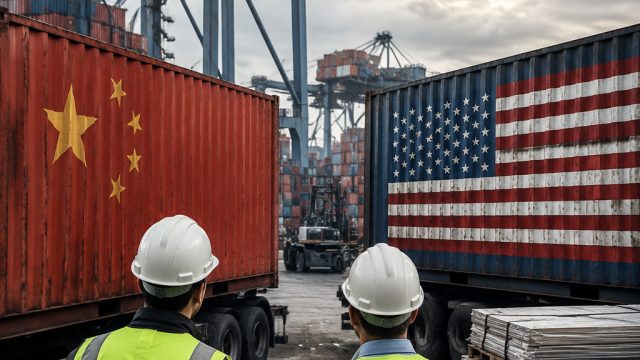
New Export Restrictions from China: Implications for US Industries
Amid rising geopolitical tensions, China has recently enacted stringent export restrictions affecting ten American companies in the rare earth and defense sectors. These changes have profound implications for U.S. industries reliant on rare earth elements and advanced technologies. As the global market evolves, understanding these developments is crucial for businesses navigating international trade.
The Context Behind China's Export Curbs
China's decision to impose these export restrictions stems from a combination of economic strategy and national security considerations. Rare earth elements, essential for numerous high-tech applications, are pivotal in industries ranging from renewable energy to defense systems. By controlling the supply chain, China aims to leverage its dominance in these critical materials while sending a clear message to the United States about the importance of economic sovereignty.
Understanding Rare Earth Elements
Rare earth elements (REEs) are a group of 17 chemical elements that play a vital role in modern technology. They are used in:
- Smartphones and electronic devices
- Electric vehicle batteries
- Wind turbines and clean energy technologies
- Defense applications, including missile systems and radar
Given their broad application, the restrictions are particularly concerning for U.S. manufacturers, as they may face challenges in sourcing materials from other locations.
Impact on U.S. Defense and Technology Companies
The affected companies include key players in the defense and technology sectors. These restrictions could hinder their ability to produce advanced equipment and technology solutions. The implications are far-reaching, affecting supply chains, production timelines, and ultimately, national security.
Supply Chain Disruptions
With China being the largest supplier of rare earth elements globally, U.S. companies may experience significant delays and increased costs. Potential supply chain disruptions could manifest in various ways:
- Increased raw material prices
- Longer lead times for production
- Difficulty in meeting contract requirements and deadlines
Companies must now explore alternate sources or adapt their operations to mitigate these risks. Some firms may even consider investing in domestic mining operations or partnerships with other countries to secure their supply chains.
Strategic Responses from U.S. Companies
In light of these developments, many U.S. companies are reevaluating their strategies. Here are some potential responses:
- Diversification: Businesses are looking to diversify their sources of raw materials to reduce dependency on China.
- Innovation: Investment in research to find substitutes for rare earth elements in specific applications could decrease reliance on these materials.
- Policy Engagement: Engaging with policymakers to advocate for favorable trade conditions and support for the domestic rare earth industry.
These strategic responses are crucial for ensuring competitiveness and resilience in the face of changing trade dynamics.
The Bigger Picture: Geopolitical Implications
This situation is not solely an economic issue; it reflects broader geopolitical tensions. As the U.S. and China navigate their complex relationship, businesses must remain agile and informed. The ability to adapt to these changes will determine the future trajectory of industries reliant on these materials.
Preparing for Future Challenges
Looking ahead, companies in the affected sectors should consider:
- Developing contingency plans for supply chain interruptions
- Monitoring geopolitical developments closely
- Establishing partnerships with allies to ensure a stable supply of critical materials
By staying proactive, U.S. businesses can better navigate the challenges posed by these new export restrictions and position themselves for future success.
Conclusion: Navigating a Changing Landscape
As China implements these drastic export restrictions, U.S. companies in the rare earth and defense sectors must adapt to a rapidly evolving landscape. The implications of these restrictions extend beyond immediate economic effects, impacting national security and the strategic positioning of industries critical to the U.S. economy. By embracing innovation, diversifying supply chains, and engaging in policy discussions, American firms can successfully navigate these challenges and emerge stronger in the global marketplace.